The Importance of Quality Packaging in Product Distribution

In today's competitive market, the significance of quality packaging cannot be overstated. It serves as the first point of interaction between a product and its potential customer. Effective packaging not only protects the product but also communicates the brand's values and enhances the overall customer experience. This blog post explores the multifaceted role of packaging in product distribution, emphasizing its importance in branding, protection, sustainability, and consumer perception.
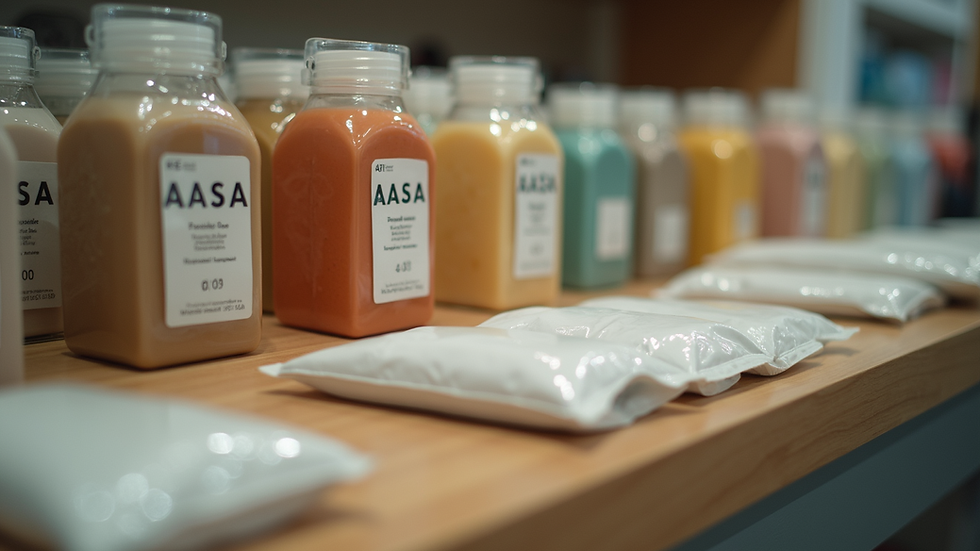
Understanding the Role of Packaging
Packaging is more than just a protective layer; it is a vital component of the product distribution process. Here are some key roles that packaging plays:
Protection
The primary function of packaging is to safeguard the product during transportation and storage. Quality packaging ensures that products arrive at their destination in perfect condition. This is especially crucial for fragile items like glassware or electronics, where even minor damage can lead to significant losses.
Branding
Packaging is a powerful branding tool. It reflects the brand's identity and values, making it an essential element of marketing strategy. Unique and attractive packaging can differentiate a product from its competitors on the shelf. For instance, brands like Apple and Coca-Cola have mastered the art of packaging, using it to create a strong brand presence.
Information Delivery
Packaging serves as a medium for conveying essential information about the product. This includes ingredients, usage instructions, and safety warnings. Clear and concise information helps consumers make informed decisions, enhancing their trust in the brand.
Consumer Experience
Quality packaging enhances the overall consumer experience. A well-designed package can evoke emotions and create a sense of excitement. For example, unboxing experiences, where consumers share their excitement on various platforms, have become a trend. Brands that invest in quality packaging can leverage this trend to build a loyal customer base.
The Impact of Packaging on Distribution
The distribution process is heavily influenced by packaging. Here are some ways in which quality packaging affects distribution:
Efficiency in Handling
Quality packaging facilitates easier handling during transportation. Well-designed packages can be stacked efficiently, reducing the risk of damage. This efficiency not only saves time but also minimizes costs associated with returns and replacements.
Cost-Effectiveness
Investing in quality packaging can lead to long-term cost savings. While it may seem like an additional expense upfront, durable packaging reduces the likelihood of product damage, leading to fewer returns and replacements. Additionally, efficient packaging can lower shipping costs by optimizing space.
Sustainability
With growing environmental concerns, sustainable packaging has become a priority for many companies. Quality packaging that is recyclable or biodegradable not only appeals to eco-conscious consumers but also helps brands comply with regulations. Companies that prioritize sustainability in their packaging can enhance their reputation and attract a broader customer base.
Case Studies: Successful Packaging Strategies
To illustrate the importance of quality packaging, let's explore a few case studies of brands that have successfully leveraged packaging in their distribution strategies.
Coca-Cola
Coca-Cola is renowned for its iconic packaging. The brand has consistently used its packaging to reinforce its identity. The distinctive red color and unique bottle shape are instantly recognizable. Coca-Cola's packaging strategy includes limited edition designs that create buzz and encourage consumers to collect them. This approach not only boosts sales but also strengthens brand loyalty.
Apple
Apple's packaging is a prime example of how quality packaging can enhance the consumer experience. The unboxing of an Apple product is almost a ritual for many customers. The sleek, minimalist design of the packaging reflects the brand's values of simplicity and elegance. This attention to detail in packaging has contributed to Apple's strong brand loyalty and high customer satisfaction.
Uncommon Goods
Uncommon Goods, an online retailer, focuses on sustainable packaging. The company uses recycled materials for its packaging and encourages customers to recycle after use. This commitment to sustainability resonates with its target audience, leading to increased customer loyalty and positive brand perception.
Best Practices for Quality Packaging
To ensure that your packaging meets the highest standards, consider the following best practices:
Invest in Quality Materials
Using high-quality materials is essential for creating durable packaging. Consider the product's nature and choose materials that provide adequate protection. For example, fragile items may require padded packaging, while food products need materials that preserve freshness.
Design for the Consumer
Understanding your target audience is crucial when designing packaging. Consider their preferences, needs, and behaviors. Packaging that resonates with consumers can significantly enhance their experience and encourage repeat purchases.
Test and Iterate
Before finalizing your packaging design, conduct tests to gather feedback. This can include focus groups or surveys to understand how consumers perceive your packaging. Use this feedback to make necessary adjustments and improve the overall design.
Stay Informed on Trends
Packaging trends evolve over time. Stay informed about the latest developments in packaging design, materials, and sustainability practices. Adapting to these trends can give your brand a competitive edge.
Conclusion
Quality packaging is a critical component of successful product distribution. It protects the product, enhances branding, delivers essential information, and improves the consumer experience. By investing in quality packaging, businesses can not only reduce costs but also build strong relationships with their customers. As the market continues to evolve, prioritizing quality packaging will be essential for brands looking to thrive in a competitive landscape.
To take your packaging strategy to the next level, consider evaluating your current practices and exploring innovative solutions that align with your brand's values and consumer expectations.


Comments